Devil’s Claw for Active People is not about pushing through pain or chasing stronger recovery claims. It is about routine literacy. Active people often build supplement stacks around magnesium, protein, collagen, turmeric, electrolytes, joint blends, and herbal capsules. Devil’s Claw can look like another easy add-on, but it deserves a slower label check, especially if you also use NSAIDs, blood thinners, acid-reducing medication, or several recovery products at once.
Devil’s Claw, usually listed as Harpagophytum procumbens or sometimes Harpagophytum zeyheri, is a bitter root herb. It may appear as capsules, tablets, tincture, tea, powder, or standardized extract. Garden Organics treats this as an active-routine safety topic: the better question is not “Will this fix soreness?” but “Does this fit my routine without masking important body signals or duplicating other products?”
This article does not provide medical advice. Devil’s Claw supplements are not intended to diagnose, treat, cure, or prevent any disease. If you are pregnant or breastfeeding, under 18, taking medication, using blood thinners, using NSAIDs often, managing ulcers, gallstones, blood pressure concerns, blood sugar concerns, heart conditions, liver disease, kidney disease, digestive disease, or chronic health conditions, ask a qualified healthcare professional before using Devil’s Claw.
Should Active People Add Devil’s Claw to a Post-Workout Routine?
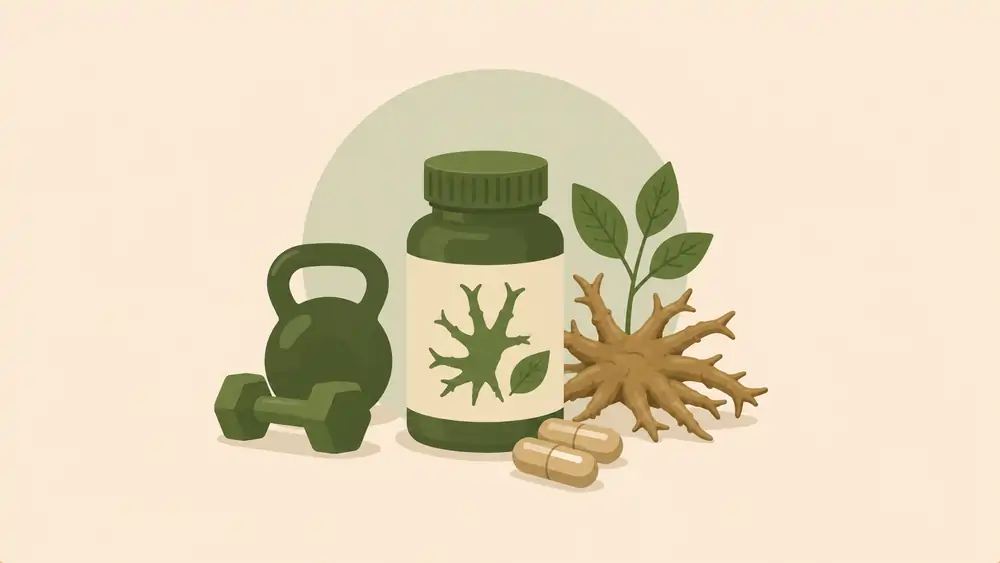
Active people should not add Devil’s Claw casually just because it appears in recovery-focused conversations. First, check your real routine: training load, pain signals, sleep, hydration, protein intake, stretching, mobility work, medications, and current supplements.
If you are using Devil’s Claw to ignore sharp pain, swelling, reduced range of motion, joint instability, or pain that worsens with movement, stop and reassess. Supplements should not replace injury evaluation or proper rest.
Devil’s Claw may fit some adult supplement routines, but it should not be used as a way to train through warning signs.
Quick Answer: What Active People Should Check First
| Question | Why It Matters | Safer First Step |
|---|---|---|
| Am I trying to mask pain? | Pain can signal overload or injury | Reduce load and assess symptoms |
| Do I use NSAIDs? | Medication overlap may matter | Ask a clinician or pharmacist |
| Do I take blood thinners? | Interaction cautions may apply | Get professional review first |
| Do I have ulcers or gallstones? | Devil’s Claw safety cautions may apply | Avoid self-directed use |
| Am I stacking recovery blends? | Overlap is easy to miss | Compare all Supplement Facts panels |
| Does the label identify the herb? | Common names are not enough | Look for Harpagophytum species and root |
Why Post-Workout Pain Should Not Be Covered Up
Post-workout discomfort can come from many causes. Some are normal training responses. Others can signal poor technique, overuse, inadequate recovery, or injury.
A supplement should not become a reason to ignore warning signs. Sharp pain, one-sided pain, swelling, bruising, instability, numbness, tingling, reduced strength, or pain that changes your movement pattern deserves attention.
If pain changes how you train, walk, sleep, or move, do not rely on Devil’s Claw or any other supplement as your main response. Adjust training and seek qualified advice when needed.
Devil’s Claw Is Not a Substitute for Recovery Basics
Active people often over-focus on supplements and under-focus on recovery foundations. Sleep, nutrition, hydration, training volume, warm-up quality, cool-down habits, progressive loading, mobility work, and rest days usually matter more than another capsule.
Devil’s Claw should not be used to compensate for poor programming. If soreness keeps returning because training stress is too high, a supplement does not solve the root problem.
Before adding anything new, ask whether the basic recovery system is already working.
What to Check If You Already Use NSAIDs
NSAIDs include common products such as ibuprofen, naproxen, diclofenac, celecoxib, and similar medicines. Active people often use them for soreness or discomfort, but combining supplements with medication requires caution.
Some consumer and clinical references caution that Devil’s Claw may interact with NSAIDs or affect how certain medicines are handled. The evidence may not answer every practical scenario, but the safest approach is to ask a pharmacist or clinician before combining them.
Do not use Devil’s Claw as a “natural alternative” while also casually using NSAIDs. That is not a clean routine. It is an unreviewed stack.
What to Check If You Use Blood Thinners
People taking blood thinners or antiplatelet medication should not use Devil’s Claw without professional guidance. Some references flag possible concern with warfarin and bleeding or bruising risk.
This matters for active people because training already creates occasional bruises, strains, or injuries. If a supplement affects bleeding risk or interacts with medication, the consequences can be harder to interpret.
If you take warfarin, apixaban, rivaroxaban, clopidogrel, aspirin for a medical reason, or other blood-affecting medicines, ask a qualified professional before use.
What If You Already Take Magnesium, Turmeric, Collagen, or Protein?
Magnesium, turmeric, collagen, and protein are common in active routines. They are not the same as Devil’s Claw, but they can appear in the same recovery stack.
The main issue is not always direct duplication. It is complexity. When you add many products, you make it harder to track what agrees with you, what causes stomach discomfort, and what is actually useful.
Check the full stack. Look for turmeric, boswellia, willow bark, bromelain, MSM, glucosamine, chondroitin, magnesium, electrolytes, adaptogens, caffeine, sleep aids, and other recovery blend ingredients.
Common Active-Routine Stack Checks
| Current Product | Why to Check Before Adding Devil’s Claw | What to Review |
|---|---|---|
| NSAIDs | Medication interaction cautions may apply | Ask a pharmacist or clinician |
| Turmeric or curcumin | Often used in the same recovery category | Check blood thinner and medication cautions |
| Collagen blend | May include vitamin C, herbs, or joint ingredients | Check full Supplement Facts panel |
| Magnesium | Can affect digestion in some people | Watch total supplement tolerance |
| Protein powder | Usually not direct overlap | Check additives and digestive comfort |
| Joint complex | May already include Devil’s Claw or similar herbs | Look for Harpagophytum and root extract |
| Recovery blend | May combine many active ingredients | Avoid stacking blindly |
How to Read a Devil’s Claw Label
A good Devil’s Claw label should identify the botanical name, plant part, serving size, format, and safety warnings. Look for Harpagophytum procumbens, Harpagophytum zeyheri, root, secondary root, tuberous root, root extract, or standardized extract.
If the product lists harpagoside, check whether it gives a percentage or amount. Harpagoside is a common marker compound, but it does not replace safety review.
Do not buy only from the front label. Words like recovery, mobility, active lifestyle, joint comfort, or strength routine can sound useful, but the Supplement Facts panel tells you what is inside.
Capsules vs Tincture vs Tea for Active People
Devil’s Claw Capsules are usually the easiest format for active people because they hide the strong bitter taste and travel well in a gym bag. Tinctures are quick but can taste intense and may contain alcohol. Tea requires preparation and does not fit every post-workout schedule.
Powder can be difficult because Devil’s Claw is strongly bitter. Mixing it into a smoothie or protein shake may ruin the taste.
If routine convenience matters, capsules are often the most realistic format. Still, convenience should not override safety warnings or medication checks.
Why “More” Is Not a Better Active Routine
Active people often assume more support products equal a better routine. That is a weak strategy. More capsules can mean more side-effect risk, more interaction questions, and more confusion.
Follow label directions. Do not increase serving because a workout was hard or because soreness is annoying. Do not take extra before a competition, long hike, heavy lift, or endurance event without professional guidance.
Garden Organics takes a conservative editorial stance here: label directions beat gym-floor advice, trend videos, and “more is better” thinking.
When Devil’s Claw Does Not Fit the Situation
Devil’s Claw does not fit if you are using it to train through injury, skip rest days, avoid medical evaluation, or replace a prescribed treatment plan.
It also may not fit if you have stomach ulcers, duodenal ulcers, gallstones, blood-thinner use, complex medication use, pregnancy, breastfeeding, or a history of strong digestive reactions to bitter herbs.
If you are unsure, do not test it right before an important race, game, trip, long hike, or intense training day. First-use timing should be low-risk and easy to observe.
Warning Signs Active People Should Not Ignore
Seek qualified guidance if you have joint swelling, redness, fever, sharp pain, pain after a fall, sudden weakness, numbness, tingling, instability, locking, severe bruising, unexplained pain, or pain lasting longer than expected.
For digestive or medication-related concerns, stop self-experimenting if you notice severe stomach pain, black stool, unusual bruising, allergic reaction, severe diarrhea, vomiting, dizziness, or symptoms that feel unusual.
Do not frame these as normal training discomfort. Strong or persistent signals deserve attention.
Devil’s Claw for Active People Checklist
Use this checklist before adding Devil’s Claw capsules to a post-workout, mobility, hiking, lifting, running, cycling, or active lifestyle routine. The goal is to make the routine safer, simpler, and easier to evaluate.
Clarify Your Reason
Ask why you want to add Devil’s Claw. If the real reason is to push through pain, reassess the training plan first.
Review Your Current Stack
List magnesium, collagen, protein, turmeric, joint blends, sleep aids, electrolytes, NSAIDs, and other supplements. Check for overlap and complexity.
Check NSAID Use
If you use ibuprofen, naproxen, diclofenac, celecoxib, or similar medicines, ask a pharmacist or clinician before adding Devil’s Claw.
Check Blood Thinner Use
If you use blood thinners or antiplatelet medicines, do not self-add Devil’s Claw. Get professional review first.
Read the Botanical Name
Look for Harpagophytum procumbens or Harpagophytum zeyheri. The common name alone is not enough.
Confirm the Plant Part
Look for root, secondary root, tuberous root, or root extract. Plant part helps compare products.
Follow Label Directions
Do not increase serving because of a hard workout. More is not a responsible recovery plan.
Avoid First Use Before a Big Event
Do not test a new supplement before a race, long hike, game, competition, or heavy training day.
Do Not Mask Injury Signals
Sharp pain, swelling, instability, numbness, or persistent symptoms need evaluation, not supplement stacking.
Common Mistakes to Avoid
Using Devil’s Claw to Ignore Pain
Pain can be useful feedback. Do not use supplements to hide signals that training load or injury needs attention.
Combining It With NSAIDs Without Asking
Medication overlap matters. Ask a pharmacist or clinician before combining Devil’s Claw with NSAIDs.
Adding It to a Crowded Recovery Stack
Large supplement stacks make it hard to identify side effects or usefulness.
Choosing Based on Gym Advice
Use the product label and qualified guidance. Do not rely on trend content or casual recommendations.
Ignoring Digestive History
Devil’s Claw is a bitter root herb and may not fit people with ulcers, gallstones, or sensitive digestion.
FAQ on Devil’s Claw for Active People
Can active people take Devil’s Claw capsules?
Some adults may consider it, but they should first review medications, current supplements, health conditions, and label directions.
Can Devil’s Claw replace rest days?
No. Devil’s Claw should not replace rest, load management, sleep, nutrition, mobility work, or injury evaluation.
Can I take Devil’s Claw with NSAIDs?
Ask a pharmacist or clinician first. Devil’s Claw may raise medication-interaction questions with NSAIDs.
Can I take Devil’s Claw with turmeric?
Check both labels and ask a professional if you take medications or have bleeding, digestive, gallbladder, or chronic health concerns.
Is Devil’s Claw good before a workout?
Do not test a new supplement before training, racing, or competition. First use should happen during a low-risk routine.
Are capsules better than tincture for active people?
Capsules are often easier because they hide the bitter taste and travel well, but the best format still depends on label clarity and safety context.
What should I check on the label?
Check botanical name, plant part, serving size, extract type, harpagoside details if listed, warnings, and medication cautions.
Who should avoid self-directed Devil’s Claw use?
Pregnant or breastfeeding people, children, teens, medication users, and people with ulcers, gallstones, blood pressure, blood sugar, heart, liver, kidney, or digestive concerns should ask a professional first.
What pain signals should not be ignored?
Sharp pain, swelling, redness, fever, numbness, tingling, instability, severe bruising, or pain after injury should be evaluated.
Glossary
Devil’s Claw
A common name for Harpagophytum species used in herbal products.
Harpagophytum procumbens
The botanical name most commonly associated with Devil’s Claw supplements.
Harpagophytum zeyheri
A related species sometimes included in Devil’s Claw references and products.
Root Extract
An extract made from the root material of the plant.
Harpagoside
A bitter iridoid glycoside often used as a marker compound for Devil’s Claw extracts.
NSAIDs
Nonsteroidal anti-inflammatory drugs such as ibuprofen, naproxen, diclofenac, and similar medicines.
Recovery Stack
A group of supplements used around training, such as protein, magnesium, turmeric, collagen, electrolytes, or herbal blends.
Blood Thinner
A medicine that affects clotting or platelet activity and may require interaction review.
Supplement Facts
The label panel that lists serving size and dietary ingredient information for a supplement.
Label Directions
The serving and usage instructions printed on a product label.
Conclusion
Devil’s Claw for Active People is best handled as a label-reading and safety question, not a shortcut for soreness or training overload. Before adding capsules to a post-workout routine, review NSAIDs, medications, recovery stacks, pain signals, and label directions.
Sources
Devil’s Claw overview, medication cautions, and FDA-not-reviewed supplement note, WebMD — webmd.com/vitamins-supplements/devils-claw
Devil’s Claw root herbal medicinal product summary, adult-use context, and advice to consult a professional if symptoms persist or worsen, European Medicines Agency — ema.europa.eu/en/medicines/herbal/harpagophyti-radix
European Union herbal monograph for Harpagophytum procumbens and Harpagophytum zeyheri root with gallstone and under-18 cautions, European Medicines Agency — ema.europa.eu/en/documents/herbal-monograph/final-european-union-herbal-monograph-harpagophytum-procumbens-dc-andor-harpagophytum-zeyheri-decne-radix_en.pdf
Devil’s Claw clinical summary, botanical identity, root material, and safety cautions, Memorial Sloan Kettering Cancer Center — mskcc.org/cancer-care/integrative-medicine/herbs/devil-claw
Devil’s Claw review discussing possible warfarin interaction and consumer-information concerns, National Institutes of Health / PubMed Central — pmc.ncbi.nlm.nih.gov/articles/PMC12350520
Bibliographic review of Devil’s Claw covering Harpagophytum species, root use, and phytochemical context, National Institutes of Health / PubMed Central — pmc.ncbi.nlm.nih.gov/articles/PMC8398729
Devil’s Claw phytochemistry review discussing harpagoside, harpagide, and iridoid glycosides, National Institutes of Health / PubMed Central — pmc.ncbi.nlm.nih.gov/articles/PMC9182060
Devil’s Claw consumer safety article with ulcer, gallstone, blood thinner, heart, and diabetes caution context, Drugs.com — drugs.com/mtm/devil-s-claw.html
Devil’s Claw safety and medication-interaction overview including NSAIDs, blood thinners, and stomach acid reducers, Medical News Today — medicalnewstoday.com/articles/devils-claw
Dietary supplement consumer guidance and label-reading basics, U.S. Food and Drug Administration — fda.gov/food/information-consumers-using-dietary-supplements/questions-and-answers-dietary-supplements