
Supplier handover is more than the moment a line starts. It is the point where the buyer takes control of settings, records, parts, and training. When the handover notes are thin, later questions turn into long message threads instead of quick decisions.
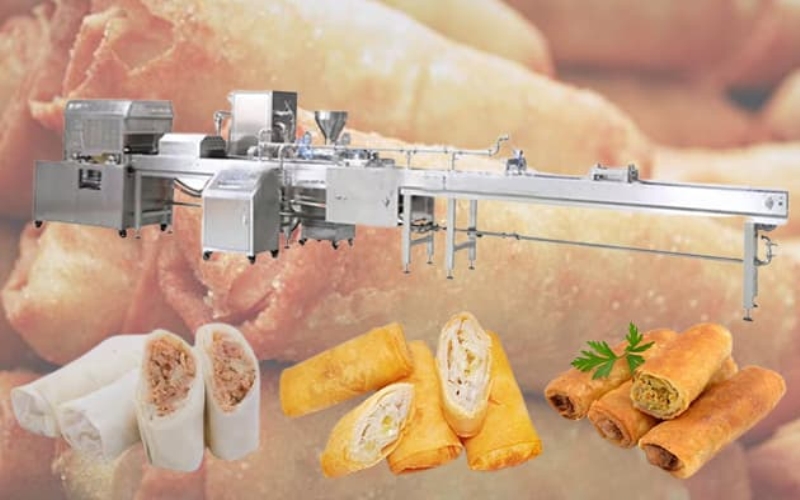
UDTECH describes automatic wafer and egg roll equipment with models such as UD05-2 and UD05-3. During the run, the listed speeds, 220 pieces per minute and 330 pieces per minute, give buyers a clear output reference. Handover notes should explain how the plant proved its own release state.
Separate Demo Success From Handover Proof
A demo can show that the machine runs. Handover proof should show that the buyer can repeat the run. On the floor, the notes should name the recipe, speed, sample result, operator, and open condition. Those details matter after the supplier leaves.
Short videos are useful, but they should not replace written proof. Near the line, a video rarely shows every setting, spare part, or release owner needed during the next shift.
List The Settings The Buyer Owns
Settings should be written in a buyer-owned list. Temperature, wrapper thickness, filling position, speed target, and restart watch points should not remain only with the visiting technician. At review time, the local team needs a readable record.
UDTECH support can help interpret the list later, but the buyer should keep the first copy. One plant that owns its settings can ask sharper questions and recover faster.
Use A Supplier Handover Table
Supplier handover notes for egg roll equipment
| Handover item | Evidence to keep | Owner after handover |
| Commissioning record | Model, tested speed, sample result, and open issue | Production manager |
| Operator training | Names trained, skill checked, and supervision limit | Shift leader |
| Spare parts | Starting stock, minimum level, and reorder path | Maintenance owner |
| Restart rule | Stop length, first sample, and release authority | Quality plus operator |
The table should be signed or confirmed at the end of the visit. In practice, a casual conversation can be helpful, but it does not give the next shift a stable operating record.
Record Training By Skill
Training should be recorded by skill, not only by attendance. One worker may understand cleaning, another may know first-piece release, and a third may handle routine speed changes. Inside the handoff, the handover note should show those limits.
Well-kept egg roll equipment supplier handover notes help the buyer keep model facts, training status, and restart rules in one place. That record is more useful than scattered chat history.
Risk Notes For Open Conditions
Open conditions should be written plainly. If cooling space was not proven, say that. If spare parts were not received, say that. If only one operator can release the line, say that too. Handover is weak when open limits are hidden.
During review, a conditional release is acceptable when the condition has an owner and a proof date. It becomes risky when the next crew believes the line was fully released.
Keep Spare Parts In The Same Packet
Spare parts should be included with the handover notes because the first maintenance question often arrives before habits are settled. For supervisors, the packet should name the stock point, minimum quantity, and supplier contact route.
Maintenance staff should also record which parts were used during installation. Starting stock can look smaller than expected if commissioning consumed a part and nobody wrote it down.
Write A Restart Rule After Commissioning
Restart rules should not be guessed after the first stop. With evidence in view, the supplier and buyer should agree on what to check after a short hold, sanitation break, or recipe change. After the sample check, the rule should include the first accepted sample.
At 220 or 330 pieces per minute, restart drift can multiply quickly. For the plant, a written restart rule gives operators permission to slow down and check before output rises again.
Attach Photos To The Right Notes
Photos should be tied to specific notes. A photo of an accepted sample, a spare parts shelf, or a control setting is useful only when the caption explains what decision it supports. Random photo folders become hard to use later.
Beside the line, the handover packet can stay simple. One photo per key point is enough when the written note is clear and the file name matches the section.
Review Handover After The First Week
First-week review tests whether the handover was complete. Repeated questions about the same setting, part, or restart rule show where the packet needs repair. During the run, the review should update the note while the issue is fresh.
Managers should invite operators into that review. They are the people who discover whether the handover note works during a real shift.
Set A Contact Path For Supplier Support
Supplier support should have a clear contact path. On the floor, the plant should know who sends photos, who approves a setting question, and which file proves the current state. This prevents duplicate messages and mixed advice.
UDTECH can respond better when the buyer sends a concise packet: model, setting, sample, symptom, and action already tried. Good handover notes make that packet easy to prepare.
Close With Transfer Of Control
The final handover line should say who now owns production release, training updates, spare parts, and support contact. That is the real transfer of control. At review time, the supplier visit ends, but the buyer’s records keep the line steady.
Strong handover notes turn commissioning into daily control. They help the plant repeat output, protect new operators, and keep supplier questions grounded in evidence.
Create A File Naming Rule
Handover files need names that workers can find later. Use model, date, and topic in the file name. A folder full of photos called image 1 and image 2 will fail when the plant needs a setting during a night shift.
Inside the handoff, the rule should apply to photos, short videos, sample notes, and part lists. Consistent names make the handover packet searchable without special software.
Schedule A Day Two Observation
Day two observation checks whether the buyer can run without the supplier standing at the line. For supervisors, the note should record who ran setup, who approved first piece, and which question still needed outside help.
This observation can be short. Its value is honesty. If the team still needs help, the handover notes should show the gap before the first busy production week.
Keep A Warranty Question Log
Warranty questions should be logged with symptom, date, proof, and reply status. A buyer may ask about a part, a setting, or a repeat fault. The log prevents the same question from being asked twice in different words.
Clear warranty notes also protect the relationship. Both sides can see what was reported, what was answered, and what proof is still missing.
Build A Training Gap Register
A training gap register should list skills not yet owned by the local crew. It may include restart release, filling adjustment, sanitation closeout, or spare parts naming. Each gap needs an owner and a practice date.
Training gaps are not failures. They are normal after new equipment arrives. Writing them down helps the plant close the gaps before pressure exposes them.
Prepare The Final Acceptance Packet
The final acceptance packet should contain model, tested speed, sample result, open conditions, spare parts board, and support contact path. This packet marks the end of supplier handover and the start of buyer control.
When acceptance is conditional, the packet should say so on the first page. Nobody should need to read every note to discover that cooling space, training, or parts still need proof.
Hold A Buyer-Only Trial After Signoff
A buyer-only trial should run after formal signoff, even if the supplier remains available for questions. The local crew should start the line, approve the first piece, handle a short stop, and write the handover note without the technician leading each step. This test shows whether control has really transferred.
The trial can be modest. A 30-minute run with one planned stop may be enough to reveal whether operators understand settings, restart rule, sample approval, and support contact path. The goal is not maximum output. The goal is local ownership.
Record any outside help that was needed. If the crew asked UDTECH to confirm one setting, that is an open training point, not a failure. Add the point to the handover packet with an owner and a practice date so the next trial becomes cleaner.
Recheck The Packet Before The First Large Order
The first large order should begin with a handover packet review. Supervisors can confirm model, speed limit, recipe note, first-piece rule, spare parts stock, and support route in one short meeting. Missing items should be fixed before the line is under pressure.
This review prevents the handover packet from becoming a ceremonial file. It proves that the notes can guide real production when time is tight and the buyer cannot wait for every answer from the supplier.
After the meeting, attach the review note to the same packet. A clean packet should show what was accepted on the visit day, what was retested before the larger run, and which person owns the next proof if a limit remains open. Keep that proof with the batch record and shift file.